

LIME TREE
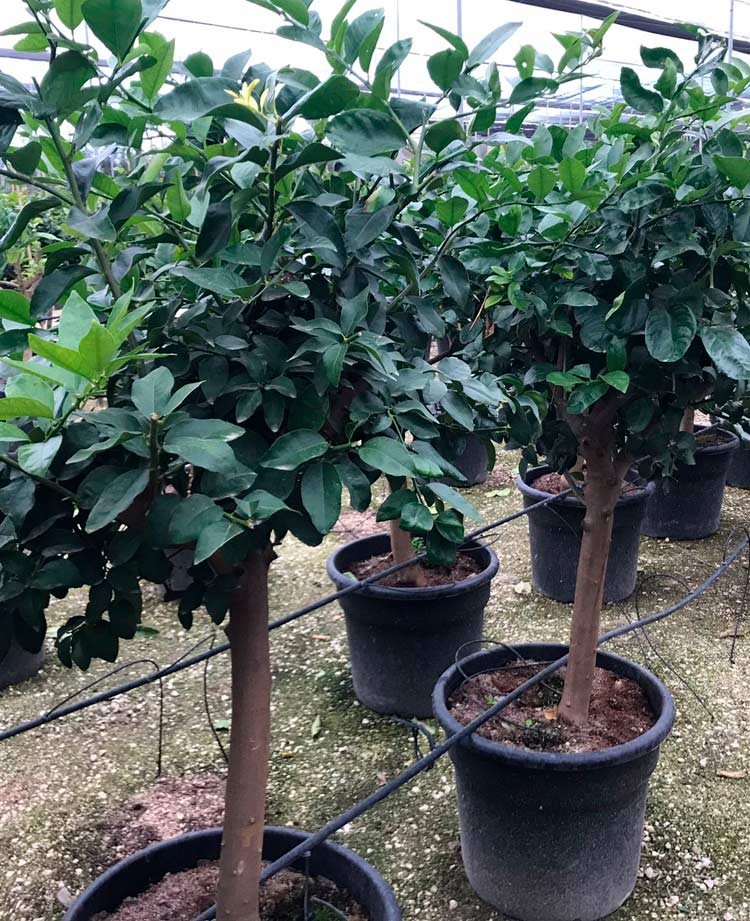
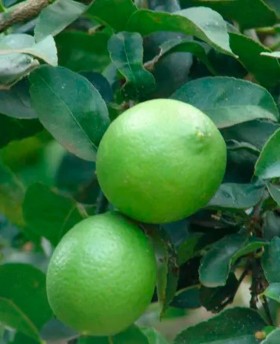
The lime tree is a warm-climate citrus known for its small round or slightly oval fruits that turn from green to yellow when ripe.
The lime is native to Southeast Asia and has spread widely throughout Latin America, the Caribbean, and other tropical regions.
Total Height with Pot of 45 L - 1.7 m... €198
Total Height with Pot of 65 L - 1.9 m... €242
Total Height with Pot of 80 L - 2.2 m... €330
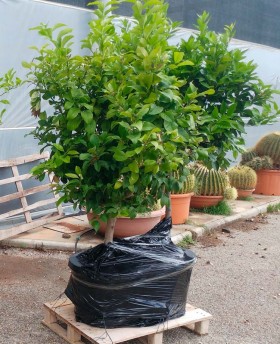
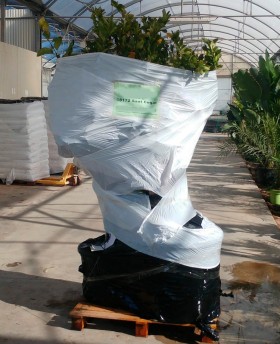
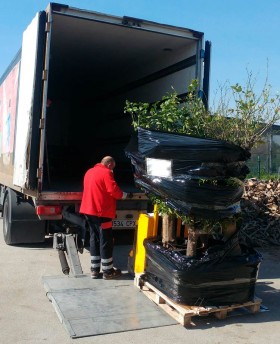
 Shipments to Spain and Portugal ...
The cost of transportation depends on the province or country.
This fruit is highly valued for its acidic juice, used in cooking, beverages, natural medicine, and cosmetic products.
Besides its refreshing flavor, it is rich in vitamin C, antioxidants, and compounds with antibacterial properties.
Main characteristics of the lime
· Scientific name: Citrus aurantiifolia
· Family: Rutaceae
· Origin: Southeast Asia
· Height: Up to 5 meters (under optimal conditions)
· Fruit: Small, round or oval, green at first and yellow when ripe
· Flavor: Acidic, very aromatic
· Flowering: Spring, and in warm climates, it can bloom several times a year
· Aroma: Very fragrant leaves and flowers
Cultivation and care
· Climate: Prefers warm, subtropical, or tropical climates. Does not tolerate frost well.
· Location: Full sun. Needs at least 6 hours of direct sunlight per day.
· Watering: Moderate but regular. Allow the substrate to dry slightly between waterings. Avoid waterlogging.
· Soil: Well-drained, fertile, slightly acidic or neutral.
· Pruning: Recommended in winter or after harvest to maintain its shape and stimulate fruit production.
· Fertilizing: Apply citrus or balanced fertilizer (NPK) during spring and summer.
· Harvesting: Fruits are harvested when they change color and are well developed to the touch.
Specific References
LIME TREE
The lime tree is a warm-climate citrus known for its small round or slightly oval fruits that turn from green to yellow when ripe.
The lime is native to Southeast Asia and has spread widely throughout Latin America, the Caribbean, and other tropical regions.
Total Height with Pot of 45 L - 1.7 m... €198
Total Height with Pot of 65 L - 1.9 m... €242
Total Height with Pot of 80 L - 2.2 m... €330